AI Summary of Women and Mesothelioma
Women diagnosed with mesothelioma typically face a different set of circumstances compared to their male counterparts. While most mesothelioma cases occur in men due to occupational exposure in industries like construction, manufacturing, and shipbuilding, women most often develop the disease through non-occupational exposure. This might include household contact with asbestos fibers brought home on clothing or exposure in environments not directly related to work. Each year, nearly 1,000 women in the United States are diagnosed with mesothelioma, which accounts for about 22% of all cases. Understanding how women develop this disease can help provide clarity and support for those affected by it.
There are two main types of mesothelioma that women are most commonly diagnosed with. Pleural mesothelioma affects the lining of the lungs and is the most common form, accounting for around 80% of all cases. Women tend to develop pleural mesothelioma at an average age of 62, typically after inhaling the tiny asbestos fibers that become lodged in the lining of the chest. The other primary type is peritoneal mesothelioma, which affects the lining of the abdominal cavity and accounts for about 20% of cases. Women with peritoneal mesothelioma are usually diagnosed at a younger age, averaging approximately 53 years old, and most often develop the disease from swallowing or ingesting asbestos fibers that reach the stomach area.
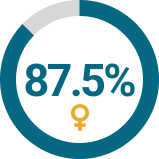
Unlike men, who frequently experience mesothelioma due to direct occupational exposure, women are more likely to develop the disease from non-occupational sources. A notable study from 2015 indicated that nearly 88% of women with mesothelioma had been exposed to asbestos outside of work settings. This can include exposure from environmental sources, family members' occupational dust, or imported products containing asbestos. This distinction highlights the importance of understanding different exposure pathways and emphasizes that mesothelioma can affect anyone, regardless of their work history. For women and their families, recognizing these potential exposure points can be a step toward early diagnosis, better understanding, and compassionate support on their health journey.