AI Summary of Mesothelioma Causes and Risk Factors
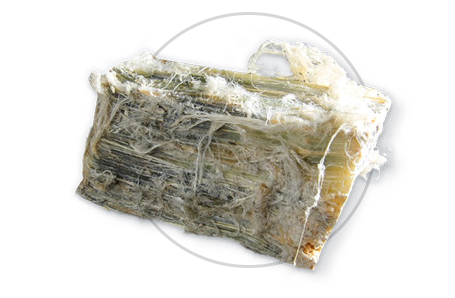
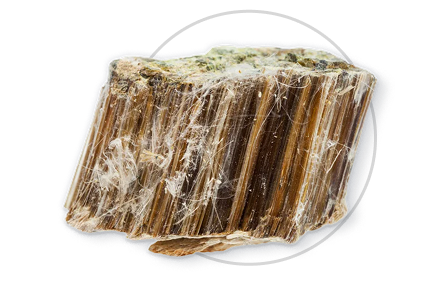
This webpage explains the main causes and risk factors associated with mesothelioma, a rare but serious cancer primarily caused by exposure to asbestos. Asbestos, a natural mineral valued for its insulating and fire-resistant properties, was widely used in construction, insulation, and various industrial applications throughout the 20th century. When asbestos-containing materials are disturbed or damaged, tiny fibers are released into the air, which can then be inhaled or swallowed. Once inside the body, these fibers can irritate or damage cells, leading to the development of mesothelioma many years later. It is important to understand that asbestos exposure is the only proven cause of mesothelioma, although not everyone exposed to asbestos will necessarily develop the disease.
The risk factors for mesothelioma include the type and duration of asbestos exposure, occupation, and certain environmental factors. Most cases involve men, especially those with a history of working in industries like construction, shipbuilding, mining, or manufacturing, where asbestos was commonly used. Secondary exposure can occur when family members come into contact with asbestos fibers brought home on clothing or gear. People living near asbestos mines or contaminated sites also face a risk from environmental exposure, which can occur through contaminated water or air.
Age and gender are also important considerations, as mesothelioma typically appears decades after asbestos exposure and predominantly affects older adults, especially men. Veterans, particularly those who served in the Navy, are disproportionately affected due to the widespread use of asbestos in military ships and facilities. While genetic factors are being studied, current evidence does not support a hereditary predisposition to mesothelioma. Understanding these causes and risk factors can help individuals recognize potential exposure sources and understand the importance of early detection and medical consultation. If you or a loved one have been exposed to asbestos and are experiencing symptoms such as difficulty breathing or chest pain, seeking prompt medical advice is essential. From occupational exposure to environmental factors, awareness of mesothelioma causes can guide timely actions to protect health and access appropriate medical care.