Written By: David Statman
Mesothelioma Incidence
Mesothelioma incidence is the rate of this asbestos cancer. The number of mesothelioma cases varies by occupation, gender, age and other factors.

Medically Reviewed By
Karen Ritter, RN BSN
Registered Nurse
FREE MESOTHELIOMA GUIDE
Mesothelioma packet includes:
- 200+ pages about your diagnosis
- 3 books to improve your prognosis
- Wristbands to show your support

FREE Mesothelioma Guide Packet
Medically Reviewed By
Karen Ritter, RN BSN
Registered Nurse

AI Summary of Mesothelioma Incidence
Mesothelioma is a rare but serious form of cancer that is primarily caused by exposure to asbestos. The incidence rate of mesothelioma refers to how many new cases are diagnosed within a specific period, typically each year. In the United States, approximately 3,000 new cases are diagnosed annually, although this number can vary slightly over the years. Understanding the incidence of mesothelioma helps health professionals, researchers, and the public gain insight into how widespread this disease is and the factors that may influence its occurrence.
The number of mesothelioma cases varies based on factors such as age, gender, occupation, and geographic location. Most cases are diagnosed in individuals over 55 years old, reflecting the long latency period of the disease, which can take 20 to 50 years to develop after asbestos exposure. Men are more frequently affected than women, mainly because of occupational exposure, as many historically worked in industries involving asbestos, such as construction, shipbuilding, and manufacturing. Certain regions and areas with high levels of asbestos mining or processing have reported higher rates of mesothelioma, emphasizing the link between asbestos exposure and the disease.
Monitoring trends in the incidence of mesothelioma over time provides valuable insights into the effectiveness of asbestos regulation and public health efforts. While some areas still report higher rates based on past exposure, overall incidence has been gradually declining in the United States thanks to stricter safety laws and reduced asbestos use. However, because of the disease’s long latency period, new cases may continue to emerge for decades, underscoring the importance of ongoing research and awareness. Recognizing patterns by region, occupation, and demographic factors helps guide efforts to prevent future cases and improve early detection strategies for those at risk.
Understanding mesothelioma incidence and its contributing factors can reassure those concerned about exposure. Although the disease remains rare, it is important for individuals who have been in environments with asbestos to stay informed and seek medical advice if symptoms develop. With increased awareness and ongoing research, progress continues toward preventing asbestos-related illnesses and supporting those affected by mesothelioma. This page aims to provide clear, factual information to help patients, families, and communities better understand the disease’s patterns and risks.
How Many Cases of Mesothelioma Are Diagnosed Each Year?
According to medical sources, around 3,000 cases of mesothelioma are diagnosed each year in the United States.
The Centers for Disease Control and Prevention (CDC) and National Cancer Institute (NCI) compiled data from 2003-2008:
- 3,131 cases in 2003
- 3,191 cases in 2004
The Importance of Mesothelioma Incidence
Studying mesothelioma incidence can lead to better understanding of the disease. The amount of asbestos impacts future rates since the cancer takes 20-50 years to develop.
Researchers also analyze specific characteristics — such as age and gender — to learn who is most at risk of mesothelioma.
Trends in Incidence of Mesothelioma
The study of mesothelioma involves observing trends in the occurrences. In medicine, this is known as epidemiology. Experts in this field (epidemiologists) act as detectives. They investigate the causes and trends of deadly diseases.
Epidemiologists collect information based on demographics, symptoms and exposure history. This data helps them predict the future number of cases. The ultimate goal is to prevent the outbreak of future cases.
The most important aspects of analyzing incidence include:
Mesothelioma Rates by Region
Specific areas of the United States have a higher incidence of mesothelioma than others. Geographies where asbestos mining occurred (such as Libby, Montana) have significantly higher rates of cases and deaths. The same is true for areas with:
Data from the CDC and NCI list the states with the highest number of mesothelioma cases and deaths per 100,000 residents:


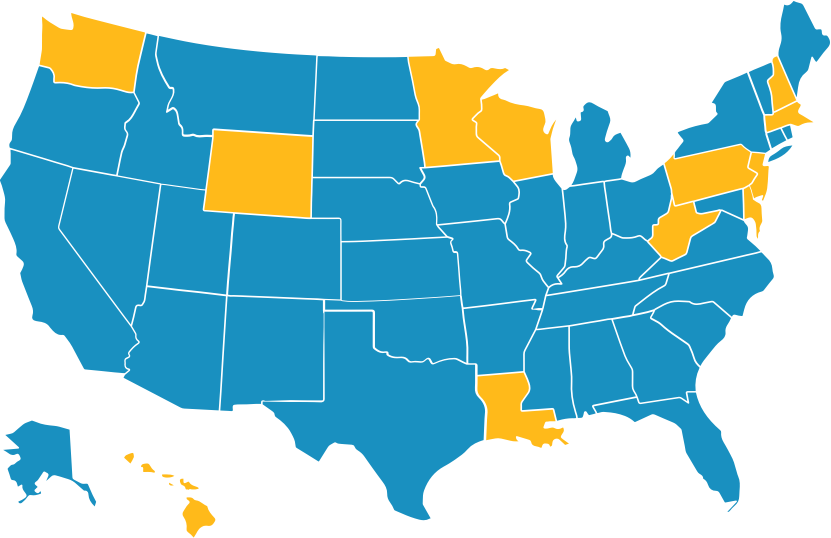
The 10 counties with the highest rates of mesothelioma cases and deaths per 100,000 residents are:
The 10 states with the lowest rates of mesothelioma cases and deaths per 100,000 residents are:
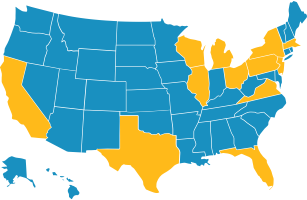
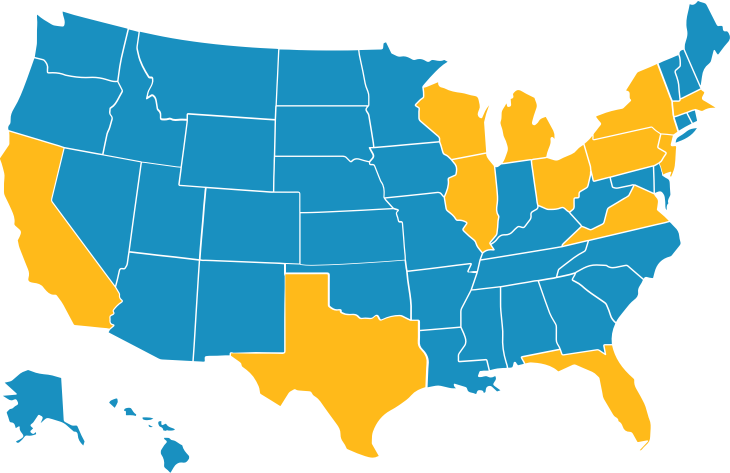
Without leveling the rates for population disparities, the highest averages of mesothelioma prevalence per year occur in:

Mesothelioma in Libby
Epidemiologists didn’t have to work hard to explain why mesothelioma cases were rampant in Libby, Montana. The town had a W.R. Grace plant, which mined vermiculite contaminated with asbestos.
A large proportion of Libby’s population worked at the plant and were exposed to asbestos. They brought sharp fibers home with them on their clothes, exposing their family members to dangerous particles. Even baseball fields were contaminated because W.R. Grace donated its waste dirt from the mine to them.
The mesothelioma incidence rate in Libby is incomparable to other U.S. areas. There have been 2,500 deaths from asbestos-related diseases in the town.
Mesothelioma is very rare, but it’s unheard of for such a high incidence rate from one city. This led to the Libby Epidemiology Research Project. The project’s purpose is to collect data and study the number of mesothelioma cases in Libby.
Mesothelioma Rates by Gender
There is a higher incidence among men than women. Men make up around 80% of pleural mesothelioma cases and 56% of peritoneal mesothelioma. According to the CDC and NCI data, close to 2,400 of the annual 3,000 mesothelioma cases in the U.S. involve men.
The primary reason for this is due to occupational asbestos exposure. Men are traditionally more likely to work in industrial trades. Therefore, they are more exposed to asbestos. Exposure among women is usually due to secondhand exposure from their husband, father or grandfather.
Mesothelioma Rates by Race
Mesothelioma affects all races, but incidence is highest among caucasians. The CDC and NCI report that 93% of cases involve caucasians. Black people make up the next-highest percentage (4.6%), followed by Hispanic people.
The disproportionately low number of cases for minority races could be misleading. Recent reports detail that minorities are less likely to receive screenings or respond to symptoms. There might be thousands of undiagnosed cases among Black and Hispanic people.
Mesothelioma Rates by Age
The number of mesothelioma cases is at its highest for people ages 55 and older. More than 91% of cases involve people in this age group, and more than half are ages 65-84.

The explanation for this is a medical term called “latency period.” This refers to how long a disease takes to develop. Mesothelioma’s latency period is 20-50 years after asbestos enters the body.
Mesothelioma Rates by Occupation
Specific jobs have an abnormal mesothelioma incidence rate. People who worked in these jobs have an increased chance of developing this cancer.
The occupations with a lot of cases include:
Sources & Author
- Mesothelioma incidence in 50 states and the District of Columbia, United States, 2003–2008. International Journal of Occupational and Environmental Health. Retrieved from: https://www.ncbi.nlm.nih.gov/pmc/articles/PMC4406225/. Accessed: 09/08/2020.