Written By: David Statman
Asbestos in Vinyl Products: Risks, Identification and Safety Measures
Many people do not realize that vinyl products, such as flooring and tiles, used to be built with asbestos, which can cause cancer. Asbestos was added to vinyl materials to make them stronger and more heat-resistant, but this also made them hazardous to people’s health.

Reviewed By
Troy E. Walton
Personal Injury Attorney
FREE MESOTHELIOMA GUIDE
Mesothelioma packet includes:
- 200+ pages about your diagnosis
- 3 books to improve your prognosis
- Wristbands to show your support


FREE Mesothelioma Guide Packet
Reviewed By
Troy E. Walton
Personal Injury Attorney

AI Summary of Asbestos in Vinyl Products: Risks, Identification and Safety Measures
Many older vinyl products, such as flooring, tile, and wallpaper, were produced with added asbestos, a material once widely used for its durability and heat resistance. These materials were common in homes, schools, hospitals, and commercial buildings before the 1980s. Asbestos fibers are strong and flexible, making them useful in strengthening and insulating various household products. However, when these fibers are disturbed—such as during renovations, repairs, or removal—they can become airborne and pose serious health risks. Inhalation of asbestos fibers may lead to diseases like asbestosis, lung cancer, and mesothelioma, often developing years or even decades after exposure.
Understanding whether your vinyl products contain asbestos involves recognizing the typical products and their age. Vinyl floor tiles, especially those measuring 9 inches by 9 inches, from the 1950s to the 1980s, are the most common items that may contain asbestos. Sheet vinyl flooring and wallpaper of similar vintage can also contain this hazardous mineral. Visual inspection alone cannot confirm the presence of asbestos, so testing by a certified professional is recommended for anyone concerned or planning work that might disturb the material.
Regulations in many countries, including the United States, now restrict and prohibit the use of asbestos in new products due to the well-documented health risks. As a result, modern vinyl flooring is typically asbestos-free, utilizing safer materials such as fiberglass or polyester reinforcements. If you have older vinyl flooring or materials suspected to contain asbestos, it is best to leave them undisturbed and consult trained professionals for proper testing and safe removal. Proper handling involves containment, specialized protective equipment, and licensed disposal methods to prevent health risks. Educating yourself about these materials empowers you to make safer choices for your home and your loved ones, avoiding unnecessary exposure and safeguarding health for the future.
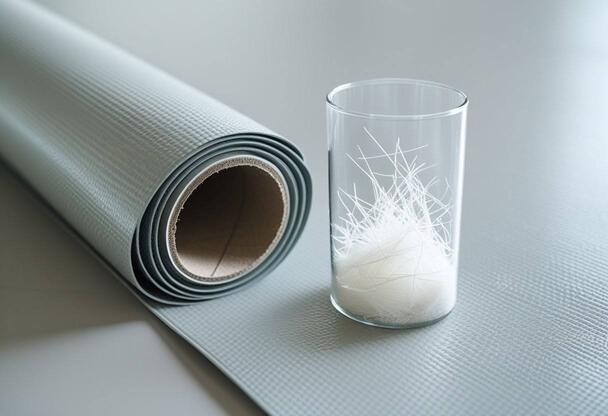
Today, old homes and buildings can still have vinyl products with asbestos. Knowing how to spot and handle these materials can help people protect themselves and their families from health risks.
Learning more about asbestos in vinyl products can keep people safe and avoid costly mistakes during home repairs.
Understanding Asbestos in Vinyl Products
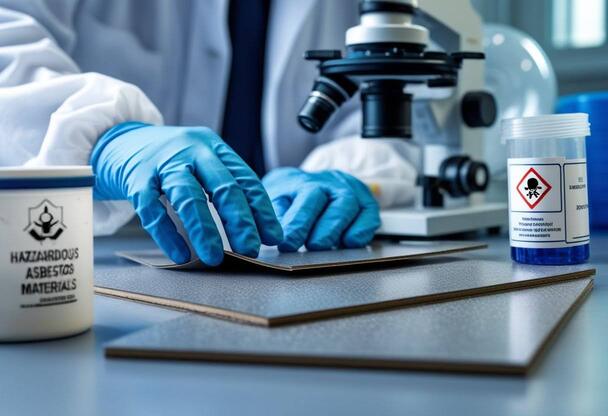
Asbestos in products is an ongoing issue. Asbestos was once added to different building and household products, including many types of vinyl. Vinyl floor tiles, sheet flooring and some wallpaper made before the 1980s may contain asbestos fibers.
What Is Asbestos?
Asbestos refers to a group of naturally occurring minerals made up of thin fibers. These fibers are strong, flexible and resistant to heat and fire. Because of these properties, asbestos was used widely in the construction of homes, offices and other buildings for most of the 20th century.
There are several types of asbestos, but the ones most often found in building materials are chrysotile (white asbestos), amosite (brown asbestos) and crocidolite (blue asbestos). Chrysotile is the type most often found in vinyl products. It’s also the only type of asbestos banned in the United States.
Asbestos is dangerous when its fibers break apart, become airborne and are breathed in. If undisturbed, asbestos in vinyl materials poses minimal risk. However, cutting, sanding or pulling up and replacing old vinyl products can release fibers into the air.
Types of Vinyl Products Containing Asbestos
Asbestos was mixed into various vinyl products, mainly during the mid-to-late 1900s. The following vinyl materials may contain asbestos if they were made before the 1980s:
- Vinyl floor tiles (especially 9-inch by 9-inch tiles used in schools, homes and offices)
- Sheet vinyl flooring (sometimes called “linoleum,” though true linoleum is different)
- Vinyl wallpaper and wall coverings
- Vinyl adhesive or mastic used to glue down tiles and sheets
| Product Type | Common Use Years | Likely Asbestos Content |
|---|---|---|
| 9" × 9" vinyl tiles | 1950s–1980s | High |
| Sheet vinyl flooring | 1960s–1970s | High |
| Vinyl wallpaper | 1960s–1980s | Moderate |
| Vinyl tile adhesive | 1950s–1980s | Common |
Products made after the late 1980s are much less likely to contain asbestos due to regulations and litigation pressure related to asbestos-linked diseases and asbestos exposure lawsuits.
Reasons for Using Asbestos in Vinyl
Manufacturers added asbestos to vinyl products to solve specific durability and safety needs.
Key reasons for adding asbestos:
- Strength – Fibers helped tiles and sheets resist cracking.
- Heat resistance – Reduced melting or warping at higher temperatures.
- Fire performance – Helped slow flame spread in floors or wall coverings.
- Durability – Extended service life under heavy foot traffic.
Once health risks became clear, asbestos use in vinyl manufacturing dropped sharply.
Historical Use of Asbestos in Vinyl Materials
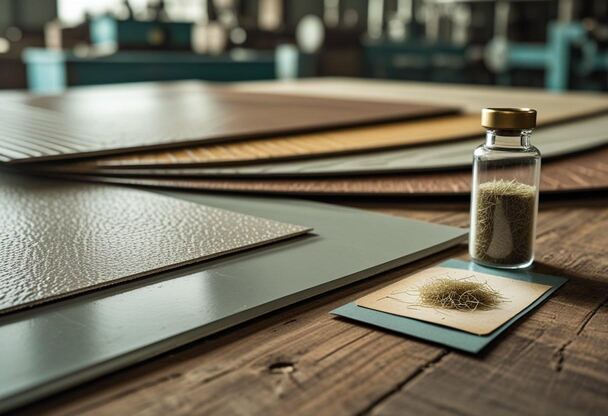
Time Periods of Use
Asbestos was used in vinyl materials mostly between the 1920s and 1980s, peaking from the 1950s through the 1970s. After 1980, new laws, growing health concerns and legal liabilities led manufacturers to phase it out.
Manufacturers and Brands Involved
U.S. companies frequently linked to asbestos in vinyl flooring include Armstrong, Congoleum, Kentile, Mannington and Tarkett.
Locations and Prevalence
Asbestos-containing vinyl was common nationwide, especially in buildings constructed between 1950 and 1980.
- Kitchens and bathrooms (floors and walls)
- School hallways and classrooms
- Hospital corridors
- Apartment lobbies and laundry rooms
Health Risks of Asbestos in Vinyl Products
Vinyl products like floor tiles and wallpaper may contain asbestos, which can pose health risks if damaged or disturbed. Exposure can lead to cancers, including mesothelioma, as well as lung cancer and other diseases.
How Exposure Occurs
Intact materials generally present low risk. Renovation, demolition or improper removal can release fibers. Cutting, sanding or breaking older vinyl tiles, sheets or wallpaper — and sweeping up the dust — can make fibers airborne. Fibers can adhere to clothing; inhalation is the main route of exposure, though ingestion can occur if dust contaminates food or hands.
Associated Diseases and Conditions
- Asbestosis – Chronic lung scarring and breathlessness
- Lung cancer
- Mesothelioma – Cancer of the pleura or peritoneum
- Pleural disorders – Plaques, thickening, effusions
These illnesses often develop decades after exposure (mesothelioma typically 20–50 years).
Vulnerable Populations
Highest risks are for installers, removers and repair workers — especially without proper controls. People in older buildings with damaged floors or walls should avoid disturbing them and consult professionals.
Identifying Asbestos in Vinyl Products
Common Product Types
- Vinyl floor tiles (9-inch, 12-inch and sometimes 18-inch from the 1950s–1980s)
- Sheet vinyl flooring (often with felt/backing that may contain asbestos)
- Vinyl wallpaper
Older cutback mastics under resilient flooring may also contain asbestos.
| Product Type | Typical Years | Asbestos Risk |
|---|---|---|
| 9-inch floor tile | 1920s–1980s | High |
| 12-inch floor tile | 1950s–1980s | Moderate |
| Sheet flooring (felt) | 1950s–1980s | High |
| Vinyl wallpaper | 1960s–1970s | Moderate |
Visual Indicators
- Age – Pre-1985 installs are more suspect.
- Size – 9" × 9" tiles are a red flag.
- Appearance – Dull/brittle tiles; sheet goods with thick grayish felt backing.
- Edges/backs – Occasional visible specks in older products.
These clues are not definitive — testing is required.
Testing and Analysis
Do not disturb suspect materials. A certified asbestos inspector can collect a small sample under containment and submit it to a lab for polarized light microscopy (PLM) or electron microscopy. Results typically arrive in a few days.
Regulations and Legal Standards
Current Laws and Guidelines
In the United States, the EPA has prohibited ongoing uses of chrysotile asbestos in many sectors, including those historically relevant to vinyl products. Employers must train workers who handle asbestos-containing materials, and states may impose stricter rules. Always check local and state requirements before any work.
Recent Policy Changes
The EPA’s Significant New Use Rule (SNUR) prevents discontinued asbestos uses from returning without review. In 2024, the EPA banned chrysotile asbestos, historically the most common type used in resilient flooring. Manufacturers no longer use asbestos in vinyl flooring due to safety regulations and liability concerns.
Safe Handling and Removal
Professional Removal Procedures
- Seal the work area (plastic sheeting, negative air machines).
- Use hand tools instead of power tools to minimize dust.
- Wear disposable coveralls, gloves and approved respirators.
- Clean with HEPA vacuums and wet methods; double-bag, label and document disposal.
DIY Precautions
DIY removal is generally not recommended. If permitted in your area and you still proceed:
- Do not cut, sand or break the material.
- Wear a fitted NIOSH-approved P100 respirator, eye protection and disposable clothing.
- Lightly wet materials to suppress dust; keep others out of the area.
- Work slowly; double-bag waste and follow local disposal rules.
Contact licensed professionals if materials are damaged, friable or extensive.
Disposal Regulations
| Step | Description |
|---|---|
| Double-bagged | Use heavy-duty plastic bags or wrap |
| Clearly labeled | Mark as “Asbestos — Danger” |
| Approved facility | Transport to landfills authorized for asbestos waste |
Consult local health or environmental agencies for permits, notifications and transporter requirements.
Alternatives to Asbestos-Containing Vinyl
Common alternatives include:
- Asbestos-free PVC
- Linoleum (natural materials)
- Rubber flooring
- Cork tiles
Modern vinyl uses fiberglass or polyester reinforcement instead of asbestos.
| Material | Key Features | Safety |
|---|---|---|
| Asbestos-containing vinyl | Heat-resistant, durable | Health risks present |
| Non-asbestos PVC | Flexible, water-resistant | No asbestos |
| Linoleum | Natural ingredients | Biodegradable, safe |
| Rubber flooring | Soft, durable | No asbestos |
| Cork tiles | Sound-absorbing | No asbestos |
Environmental Impact
Asbestos fibers from vinyl products can enter the environment during manufacturing, use, renovation and disposal. Because asbestos does not break down readily, contamination can persist.
- Cutting, sanding or removing products
- Landfilling damaged materials
- Demolition of buildings with asbestos vinyl
Conclusion
Asbestos was once used widely in vinyl products made before the 1980s. When intact, risk is low; damage or removal can release fibers. Follow these principles:
- Suspect older resilient flooring and tiles until proven otherwise.
- Use professional testing to confirm asbestos content.
- Avoid DIY removal where prohibited; hire licensed abatement when in doubt.
U.S. rules now prohibit chrysotile asbestos in many uses, and modern vinyl is asbestos-free. Proper identification and handling remain essential for safety.
Frequently Asked Questions About Asbestos in Vinyl Products
Many people have questions about asbestos in vinyl flooring and how it may affect health and safety. The following information addresses identification, risks and safe handling of these materials.

How can one identify asbestos in vinyl flooring?
It is difficult to identify asbestos in vinyl flooring just by looking. Most asbestos-containing vinyl products were installed before the late 1980s. Testing by a certified asbestos professional is the only reliable way to confirm asbestos content.
What year did manufacturers cease using asbestos in vinyl products?
Most U.S. manufacturers stopped using asbestos in vinyl products by the mid-1980s, though leftover stock was sometimes installed later. Renovations in homes built before 1990 may still uncover asbestos-containing flooring.
Are there specific health risks associated with asbestos in vinyl flooring?
Intact flooring poses low risk. Cutting, sanding or removing can release fibers. Breathing asbestos fibers can cause asbestosis, lung cancer and mesothelioma.
What is the recommended method for safely removing vinyl products that contain asbestos?
Hire licensed asbestos abatement professionals. They use containment, wet methods, HEPA filtration and proper disposal. DIY removal is generally not recommended and may be restricted by local law.
What do asbestos-containing vinyl tiles or sheet flooring look like?
Tiles commonly measure 9×9 inches (also 12×12 and 6×6) and may appear speckled, marbled or solid. Older sheet goods often have a thick, grayish felt backing. Appearance alone cannot confirm asbestos.
How can a homeowner test vinyl products for the presence of asbestos?
Do not sample yourself. Contact a trained asbestos inspector to collect a small sample under containment and send it to a certified lab for PLM or electron microscopy analysis.
Sources & Author