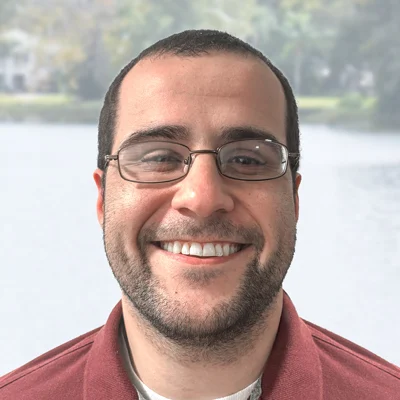
Dr. Raffit Hassan
Senior Investigator of Thoracic and GastroIntestinal Malignancies at National Cancer Institute
Dr. Raffit Hassan is one of the top U.S. doctors for mesothelioma. He’s invested in uncovering facts about pleural mesothelioma and leads high-profile clinical trials at the National Cancer Institute.

Pleural Mesothelioma and Peritoneal Mesothelioma
National Cancer Institute
31 Center Drive, Bethesda, MD 20892

AI Summary of Dr. Raffit Hassan
Dr. Raffit Hassan is a respected medical oncologist who specializes in the study and treatment of mesothelioma, a rare cancer that typically develops in the lining of the lungs or abdominal cavity. He is based at the National Cancer Institute and has dedicated his career to discovering innovative treatments and improving outcomes for patients with this challenging disease. Dr. Hassan is actively involved in leading clinical trials that test new therapies, focusing on targeted approaches that aim to fight mesothelioma more effectively. His work is centered around developing treatments that work beyond standard options such as surgery, chemotherapy, and radiation therapy, giving hope to many patients who seek better options.
One of Dr. Hassan’s key areas of research involves the protein mesothelin, which is found at high levels on most mesothelioma tumors. Targeting mesothelin is a promising strategy because it allows therapies to specifically attack cancer cells while sparing healthy tissue. He has developed several experimental treatments that target this protein, including a form of immunotherapy called CRS-207, which uses a modified bacterium to stimulate the immune system to fight the tumor. Early clinical trials have shown encouraging results, with a high rate of disease control when paired with traditional chemotherapy. Other therapies he is exploring include monoclonal antibodies and immunotoxins, which aim to deliver cancer-killing agents directly to tumor cells with precision.
In addition to his research on mesothelin, Dr. Hassan advocates for immunotherapy, a type of treatment that helps the body's immune system recognize and attack cancer cells. He supports combining immune checkpoint inhibitors with targeted therapies, which has shown promise in early studies. As a dedicated researcher and clinician, his goal is to find new treatment combinations that can improve survival and quality of life for mesothelioma patients. Patients interested in participating in clinical trials involving Dr. Hassan’s research can connect through the National Cancer Institute, where he continues to make impactful contributions to advancing mesothelioma treatment options.
More Information About Mesothelioma Specialist Dr. Raffit Hassan
Mesothelioma is a rare type of cancer that usually begins in the lining of the lungs or abdominal cavity. Most cases of mesothelioma are pleural mesothelioma, which forms in the lining of the lungs..
Dr. Hassan is a medical oncologist with a focus on new discoveries for mesothelioma treatment. The primary treatment options are surgery, chemotherapy, immunotherapy and radiation therapy. Dr. Hassan investigates and tests newer therapies.
Dr. Hassan joined the medical faculty at University of Oklahoma in 1998, an example of how long his medical oncology career spans. He returned to the National Cancer Institute in 2002.

Medical Degrees and Residencies
- Medical Degree from University of Kashmir in India, 1988
- Residency in Internal Medicine University of Buffalo’s Sisters Hospital
- Fellowship in Medical Oncology at National Cancer Institute

Certifications and Memberships
- Recipient of American Society of Clinical Oncology Career Development Award
- Recipient of the National Cancer Institute Patient-Oriented Research Career Development Award
- Recipient of the Mesothelioma Foundation’s Pioneer Award
Get Connected to Dr. Raffit Hassan
Dr. Raffit Hassan is a medical oncologist and the senior investigator of mesothelioma research. He is responsible for many breakthroughs and new therapies targeting the protein mesothelin. He continues to advance treatment options beyond one-size-fits-all approaches.
Why Choose Dr. Hassan?
- Groundbreaking research in advancing treatment
- Principal investigator for many clinical studies and trials
- Dedicated career to finding new treatment options
Pushing Mesothelin as a Target
A lot of Dr. Hassan’s work focuses on the value of targeting the protein mesothelin, which is overexpressed on mesothelioma tumors. This protein can be a target for emerging mesothelioma therapies, such as CAR T-cell therapy, monoclonal antibodies, and vaccines.
“Mesothelin is highly expressed in most solid tumors,” Dr. Hassan said in a video about new therapies. “Almost 100% of mesothelioma epithelioid types (express it).”
Dr. Hassan has developed three mesothelin-targeting therapies. One is CRS-207, which recently went to clinical trial in a phase 1 study.
CRS-207 is a live-attenuated Listeria monocytogene, a bacterium tasked with entering the body, interacting with mesothelin, and triggering a response from the immune system. This is essentially a oncolytic virus therapy. Cancer is dangerous because the disease suppresses the immune system, so a bacterium like CRS-207 flips the switch on.
In a clinical trial, CRS-207 paired with chemotherapy had an 89% disease control rate, meaning the patients’ mesothelioma didn’t worsen.
Other therapies focused on mesothelin include an immunotoxin (SS1P), a chimeric monoclonal antibody (amatuximab), and an anti-mesothelin drug (LMB-100).
LMB-100 was tested with immunotherapy drug Keytruda (pembrolizumab). Patients with high counts of PD-L1 protein (Keytruda’s target) had an average survival time of 28 months. Two patients out of five in the group were alive at least 32 months after receiving treatment.
Advocate for Immunotherapy
Dr. Hassan is a proponent of the combination of Opdivo and Yervoy (nivolumab and ipilimumab) for malignant mesothelioma. He discussed all the different immunotherapy drugs in testing during a video on YouTube.
“Clearly, immunotherapy has made a significant impact for this disease and it is now the standard of care for newly diagnosed patients,” he said. “There are other trials combining immunotherapy with chemotherapy or other agents.”
He is researching the combination of mesothelin-targeted therapies plus immune checkpoint inhibitors. One analysis looks at LMB-100 with a CTLA-4 inhibitor (ipilimumab). Dr. Hassan saw a tumor response to the combination therapy in mice.
“We believe that injection of LMB-100 into the tumor plus systemic anti-CTLA-4 antibody can lead to tumor regression,” he said.
Connect With Dr. Hassan at National Cancer Institute
Dr. Hassan’s value to mesothelioma patients is as a researcher and through clinical trials. He is part of many studies into new therapies. Anti-mesothelin drugs are proving effective at slowing down disease growth and spread.
If you’d like to enroll in one of Dr. Hassan’s studies at the National Cancer Institute, reach out to our patient advocate team. Karen Ritter, our registered nurse and lead advocate, is your best ally in finding a trial. Email her at karen@mesotheliomaguide.com.
Sources & Author
- Raffit Hassan, M.D. National Cancer Institute. Retrieved from: https://irp.nih.gov/pi/raffit-hassan. Accessed: 12/14/2021.
- Raffit Hassan, M.D. National Cancer Institute Center for Cancer Research. Retrieved from: https://ccr.cancer.gov/staff-directory/raffit-hassan. Accessed: 12/14/2021.
- Advanced in immunotherapy for mesothelioma. YouTube. Retrieved from: https://www.youtube.com/watch?v=T9-kQRBkVoM&t=1075s. Accessed: 01/12/2021.