JUMP TO A TOPIC
![]()
Important Facts
Asbestos Exposure
Risk Factors
How Are People Exposed?
Types of Asbestos
Asbestos Cause Cancer?
Age and Gender
Veterans and Mesothelioma
Take Action
SCROLL TO TOP
Written By: Devin Golden
Exposure to asbestos is the only proven cause of mesothelioma. There are risk factors associated with asbestos that increase your chances of developing this cancer.
Medically reviewed for accuracy by
Dr. Hassan Khalil
Mesothelioma Thoracic Surgeon
JUMP TO A TOPIC
![]()
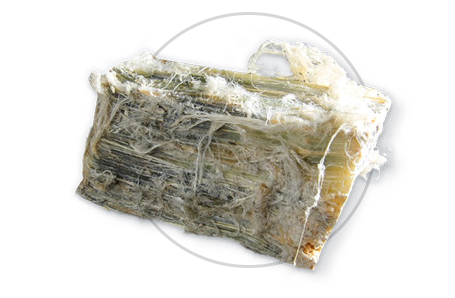
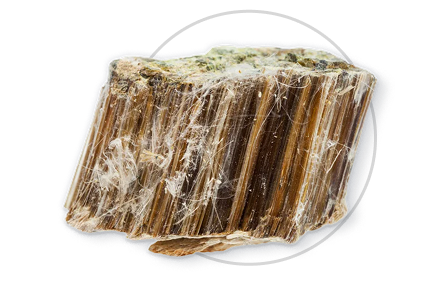
Asbestos is a naturally occurring mineral, admired for its unique insulating and fire-retardant capabilities. Asbestos was prevalent in numerous occupations, including construction and insulation work. Asbestos still is present in many 20th-century buildings, including homes and offices.
There are four methods people of exposure:
Occupational asbestos exposure
Environmental asbestos exposure
Secondary asbestos exposure
Talc asbestos exposure
Other risk factors are linked to asbestos, explicitly each type of exposure, which can affect long-term survival after diagnosis.
The risk factors to know about include:
Occupational asbestos exposure is the most common type of exposure. People working in specific industrial occupations worked with materials containing asbestos.
The people commonly exposed to asbestos at work are:
Even firefighters are linked to high rates of mesothelioma due to asbestos exposure.
Occupational exposure mostly affects men. They were the primary occupants of these jobs. According to a study by the Centers for Disease Control and Prevention, approximately 81% of mesothelioma cases involve men.
The more someone is exposed to asbestos, the higher the risk of mesothelioma. Any amount of exposure could result in cancer. However, people exposed regularly and in large quantities are in more danger. Many occupations put Americans in exposure settings daily.
Secondary exposure occurs through other people, such as loved ones or friends. People working in high-exposure jobs brought loose asbestos fibers into the home, either on their clothes or body. Their spouse, children, parents or close friends were exposed when in close contact.
Secondhand exposure most often affected women, as they were most likely to be in contact with people carrying asbestos into the home. Women washed asbestos-ridden clothes.
Asbestos is a naturally occurring mineral, which means it can escape the earth’s surface and contaminate the environment. Those who lived near large deposits of asbestos may have been exposed through water run-off or mining projects. The most notable example of environmental asbestos exposure is Libby, Montana.
More than 2,500 Libby residents died of asbestos-related diseases due to environmental exposure.
Talc, like asbestos, is a naturally forming mineral in the earth’s surface. It is found nearby asbestos, and mining efforts can inadvertently mix the two.
Talc is ground into talcum powder, which can absorb moisture on skin. It’s a primary ingredient in many cleansing and beauty products, including Johnson & Johnson Baby Powder. These products are the link between talc asbestos exposure and mesothelioma.
There are two main types of asbestos: serpentine and amphibole. Serpentine asbestos is less friable than amphibole asbestos, which is more dangerous when inhaled or swallowed.
These asbestos types are further broken down into subcategories:
These wavy white fibers comprise a majority of asbestos found in buildings. The primary subtype is chrysotile, which is dangerous and can cause mesothelioma.
These fibers are rigid and needle-like, which is why they easily puncture cell walls and stick into tissue. The subtypes are amosite, tremolite, actinolite, anthophyllite and crocidolite.
Asbestos causes cancerous tumors due to a multi-step process involving biology. First, though, asbestos must be disturbed. This causes fibers to loosen. Asbestos in its pure form is not dangerous, but the fibers are fragile and can separate from the source.
Once fibers loosen, mesothelioma forms after:
Airborne microscopic asbestos fibers are inhaled or ingested.
The fibers get stuck in the protective lining of either the lungs, abdomen, heart, or testes.
The trapped fibers irritate the mesothelial cells, causing mutations.
The mutated cells accumulate and form into tumors, which grow and replicate.
Age and gender are two of the primary mesothelioma risk factors. Mesothelioma most often affects elderly people (ages 60 and older) and men.
Age is a risk factor due to how long mesothelioma takes to form. Mesothelioma takes 20-50 years to form and show symptoms, which can be mistaken as signs of a common cold or pneumonia.
Due to this amount of time, most patients don’t develop mesothelioma until decades after their asbestos exposure occurred. They’re likely in their 50s, 60s or 70s, either retired or nearing retirement.
However, there are examples of mesothelioma victims in their 20s and 30s. Numerous studies link talc exposure and secondhand exposure to mesothelioma for women and young adults.
Veterans are exposed to asbestos and develop mesothelioma more than any group. Between one-third and half of mesothelioma patients are military veterans, mostly of the Navy.
Asbestos wasn’t widely known as harmful until the 1970s and 1980s. Due to its low cost and fire-resistance, the military used asbestos in hundreds of applications — from insulating naval vessels to insulating barracks.
Many veterans worked as shipbuilders, electricians, and steelworkers. They developed mesothelioma from occupational exposure during their service. Even military members who didn’t regularly handle asbestos were still in its vicinity, which was a mesothelioma risk factor.
An independent investigation uncovered that military housing units for family members included decaying, undocumented asbestos. These buildings were likely built when asbestos was common in construction.
People exposed to asbestos should know the symptoms of mesothelioma. If you experience some or all of them, such as difficulty breathing or pain in the chest or stomach, contact a physician right away.
If you are diagnosed with mesothelioma, the first step is to find a specialist for treatment. The second step is to find all means of support to help you. There are several compensation options to pay for treatment, travel, lost wages, and other hardships.
We can help you with both steps. Contact one of our patient advocates today to get the support needed.
Sources & Author
This webpage explains the main causes and risk factors associated with mesothelioma, a rare but serious cancer primarily caused by exposure to asbestos. Asbestos, a natural mineral valued for its insulating and fire-resistant properties, was widely used in construction, insulation, and various industrial applications throughout the 20th century. When asbestos-containing materials are disturbed or damaged, tiny fibers are released into the air, which can then be inhaled or swallowed. Once inside the body, these fibers can irritate or damage cells, leading to the development of mesothelioma many years later. It is important to understand that asbestos exposure is the only proven cause of mesothelioma, although not everyone exposed to asbestos will necessarily develop the disease.
The risk factors for mesothelioma include the type and duration of asbestos exposure, occupation, and certain environmental factors. Most cases involve men, especially those with a history of working in industries like construction, shipbuilding, mining, or manufacturing, where asbestos was commonly used. Secondary exposure can occur when family members come into contact with asbestos fibers brought home on clothing or gear. People living near asbestos mines or contaminated sites also face a risk from environmental exposure, which can occur through contaminated water or air.
Age and gender are also important considerations, as mesothelioma typically appears decades after asbestos exposure and predominantly affects older adults, especially men. Veterans, particularly those who served in the Navy, are disproportionately affected due to the widespread use of asbestos in military ships and facilities. While genetic factors are being studied, current evidence does not support a hereditary predisposition to mesothelioma. Understanding these causes and risk factors can help individuals recognize potential exposure sources and understand the importance of early detection and medical consultation. If you or a loved one have been exposed to asbestos and are experiencing symptoms such as difficulty breathing or chest pain, seeking prompt medical advice is essential. From occupational exposure to environmental factors, awareness of mesothelioma causes can guide timely actions to protect health and access appropriate medical care.