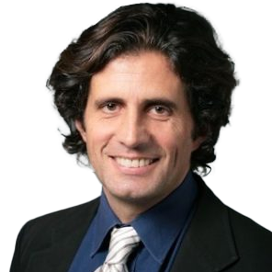
Dr. Michele Carbone
Director of Thoracic Oncology at the University of Hawaii Cancer Center
Dr. Michele Carbone is one of the leading researchers in mesothelioma incidence, pathology and treatment. He is invested in finding the causes of mesothelioma and potential cures for the cancer.
Pleural Mesothelioma
University of Hawaii Cancer Center
701 Ilalo St., Honolulu, HI 96813

AI Summary of Dr. Michele Carbone
Dr. Michele Carbone is a respected specialist in the field of mesothelioma, a rare type of cancer mainly caused by asbestos exposure. He serves as the Director of Thoracic Oncology at the University of Hawaii Cancer Center and is also a professor of pathology. His work focuses on understanding how mesothelioma develops, how it spreads, and exploring potential treatments. With a background that includes working at the National Institutes of Health and the University of Chicago, Dr. Carbone has dedicated his career to advancing knowledge about this challenging disease. He is known for his research into the genetic factors involved in mesothelioma, which could lead to new and more effective therapies in the future.
Dr. Carbone’s interest in mesothelioma was sparked by his investigation of the high rates of the disease in the Turkish region of Cappadocia. During this research, he discovered that a mineral similar to asbestos, called erionite, was responsible for causing mesothelioma in that area. This discovery helped him learn about how asbestos-like minerals cause inflammation in the lungs, eventually leading to cancer. His research has also identified genetic mutations that are linked to mesothelioma, particularly the BAP1 gene, which can serve as a biomarker for detecting the disease early. Through his work, Dr. Carbone has contributed significantly to our understanding of the causes and potential genetic factors involved in mesothelioma, paving the way for improved diagnosis and targeted therapies.
Despite advancements in treatment options like immunotherapy, Dr. Carbone notes that progress in curing mesothelioma has been slow. He emphasizes the importance of genetic research, as some cases linked to genetic mutations tend to have better outcomes. Currently, clinical trials focused on the BAP1 gene are promising, and he encourages patients to explore these opportunities. Throughout his career, Dr. Carbone has published over 150 scientific articles and received recognition for his work, including awards for discovering the role of genetics in mesothelioma. His ongoing research and clinical connections make him a valuable resource for individuals and families affected by this disease, and he continues to work toward more effective treatments and, ultimately, a cure.
More About Mesothelioma Specialist Dr. Michele Carbone
Mesothelioma is a rare cancer diagnosed in approximately 2,500 people in the United States each year. It is caused by exposure to asbestos.
Dr. Carbone is a mesothelioma doctor with a focus on research and genetic testing. Dr. Carbone is the Director of Thoracic Oncology at the University of Hawaii Cancer Center in Honolulu. He assumed this role in 2009 after a year serving as Interim Director. He’s also a professor of pathology at the University of Hawaii John A. Burns School of Medicine.
Dr. Carbone worked at the National Institutes of Health in Bethesda, Maryland, from 1986-1994. He transitioned to the University of Chicago, where he was the Director of Thoracic Oncology and a pathology professor from 1994-2006. Finally, he joined the University of Hawaii Cancer Center staff in 2006.
Dr. Carbone’s medical background is in mesothelioma pathology. His research focuses on how this cancer develops, spreads, and can be treated with targeted therapy.
He works with Dr. Paul Morris, a thoracic surgeon at the Queen’s Medical Center in Honolulu. Dr. Morris is the main surgeon for pleural mesothelioma cases coming to the state of Hawaii.
In 2026, Dr. Carbone was awarded the Szent-Györgyi Prize for pioneering cancer research. The award is from the National Foundation of Cancer Research.

Medical Degrees and Residencies
- Medical Degree from the Medical School of Rome in Italy, 1984
- PhD from the Medical School of Rome, 1985

Certifications and Memberships
- Certification in anatomic pathology from the University of Rome and the University of Chicago
- Received the iMiG Wagner Medal in 2018 for discovering the role of genetics in mesothelioma
- Received the Mesothelioma Applied Research Foundation Pioneer Award in 2014 for discovering the BAP1 cancer gene
Get Connected to Dr. Michele Carbone
Dr. Carbone is connected with many of the top thoracic and abdominal surgeons in the United States. His clinical focus is on pathology of thoracic malignancies. His research in mesothelioma and connections to clinical trials is a valuable asset to any patient.
Why Choose Dr. Carbone?
- Discovered genetic mutations related to mesothelioma
- Leads a National Cancer Institute-designated program
- Authored or co-authored hundreds of medical articles
Research Into Mesothelioma Epidemic
“It’s just chance,” Dr. Carbone said of his clinical focus on mesothelioma. “Everything in life is chance. I was working at the National Institute of Health … and found that people in Turkey were dying of mesothelioma. I knew this because I was a pathologist and knew asbestos causes mesothelioma.”
The cause was an asbestos-like substance called erionite. It’s a mineral developing from volcanic ash and water. It’s usually found in gravel and stone, which were part of constructing houses in Cappadocia. He learned during his research how the mineral asbestos causes inflammation in the pleural lining, which eventually leads to tumors.
“I got fascinated by what I saw and decided I was going to study it,” he said.
This led to discovery of genetic mutations linked to mesothelioma. He regularly cited the BAP-1 gene as a biomarker to identify the presence of malignant mesothelioma.
Dr. Carbone also discovered the mechanism of asbestos carcinogenesis and found that SV40, a virus that contaminated polio vaccine, synergizes with asbestos in causing mesothelioma.
Dr. Carbone has published more than 150 peer-reviewed papers. His research has been funded through grants from the National Cancer Institute, American Cancer Society and the V-Foundation.
Continuing to Work for a Cure
Dr. Carbone believes treatment for mesothelioma “has not progressed much.” He added how the medical community switches from one hope to the next regularly.
The latest trend is using mesothelioma immunotherapy, which has improved survival averages compared to chemotherapy. However, it’s not a cure and is not preferred over surgery.
“Nothing has made a difference,” he said. “What has made a difference is some mesothelioma is linked to genetics and these cases do much better.”
The BAP-1 gene is the focus of two clinical trials at the National Cancer Institute. Dr. Carbone encouraged patients to apply, as it may lead to groundbreaking research.
Seeing Dr. Carbone in Hawaii
If you’d like to meet Dr. Carbone, please contact our medical team. Karen Ritter, our registered nurse and lead advocate of mesothelioma patients, is reachable by email at karen@mesotheliomaguide.com. You can also send us your information through our free Doctor Match website.
Sources & Author
- Michele Carbone, MD, PhD. University of Hawaii Cancer Center. Retrieved from: https://www.uhcancercenter.org/carbone-michele. Accessed: 09/22/2021.